
It is July 1st. The year has reached its structural midpoint, which means the eCommerce internet has collectively decided that Q4 is won in July, and has begun acting accordingly.
You will feel it before you see it. A low hum across LinkedIn and X, the sound of several hundred people realising at once that there is a content opportunity attached to a calendar date.
By the weekend the checklists arrive. The "9 things to fix before BFCM" carousel. The thread that opens "most brands have already lost Q4 and don't know it." Some of these people are excellent operators with genuinely sharp things to say. It will not matter. The format flattens everyone into the same shape, because the format is not really about Q4. It is about being seen talking about Q4 first.
We point this out knowing full well we will eventually do it too. The pull is strong and we are not made of stone. For now we are simply the first to name it, Leo-style, from inside the same room we are describing.
So consider this your one calm moment before the onslaught. The fundamentals have not changed since June. This will not, nay, cannot stop the ecom-fluencers from insisting that by Jehoshaphat, everything has.
Here is the week.

Tweet of the Week
The Future Of Marketing (Do This Before 2027)

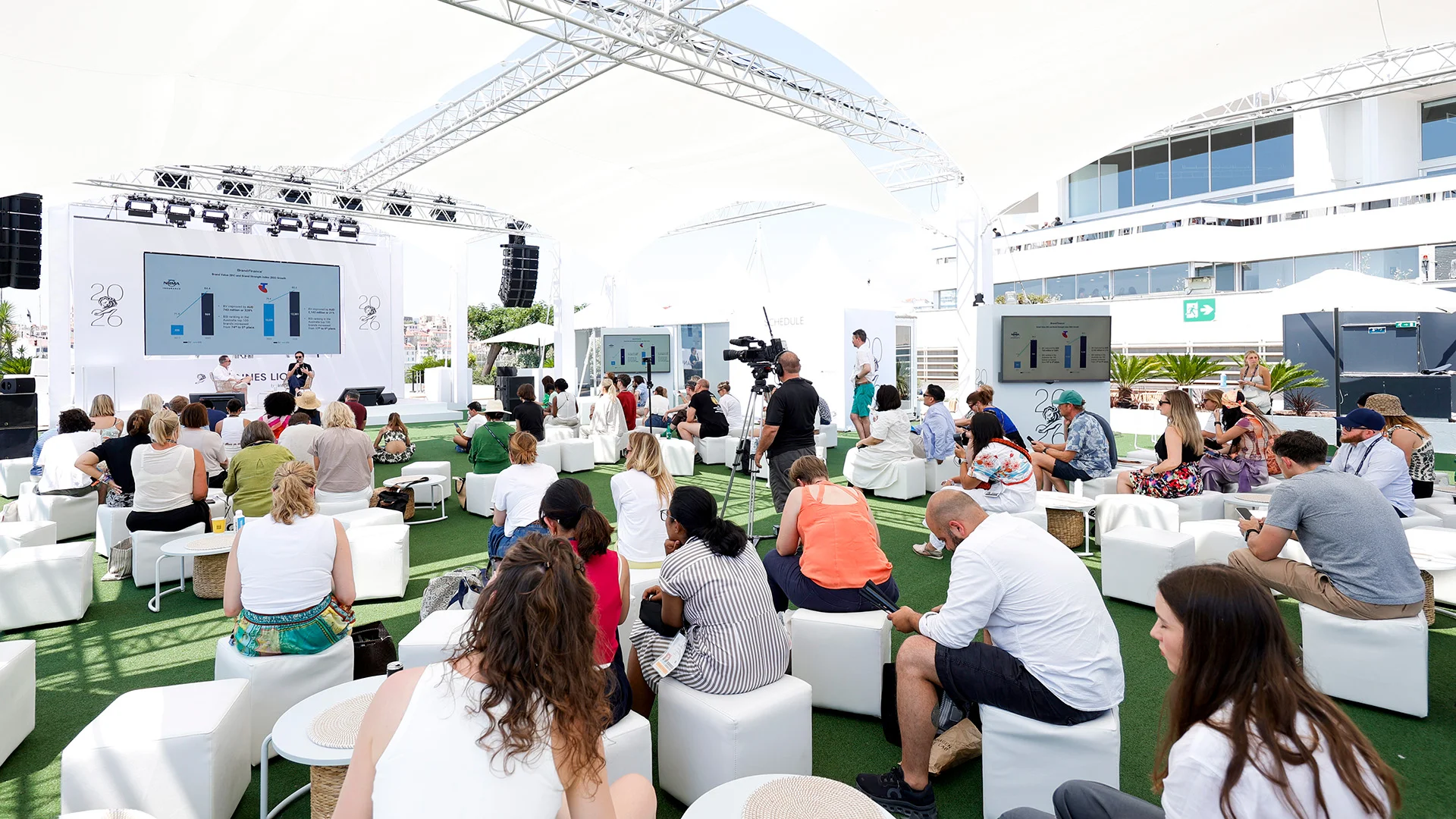
Cannes Lions 2026 happened at the same time as Amazon Prime Day, which is the sort of scheduling coincidence the universe arranges purely so two industries can be forced to look at each other across a beach. While the Croisette was busy awarding itself for creativity, Alexa was quietly upgrading itself from search engine to conversational advisor, asking clarifying questions before recommending products and, in some cases, simply buying things on the shopper's behalf without troubling them for a final opinion.
Inside:
Why "robots can't build brands" is correct but doing a lot less work than P&G would like
What KitKat's stolen-shipment PR stunt has to do with answer engines, and why turning vulnerability into visibility is now a measurable skill
The McKinsey finding that Gen Z uses AI constantly and trusts it increasingly less, which is either reassuring or the most 2026 sentence ever written
Why most brand websites aren't dead, they're just not answerable, which is a worse diagnosis dressed up as a kinder one
Proof, it turns out, is the new polish. Several brands have not yet received the memo. We recommend you step away from your spreadsheets for a scant few minutes, make yourself a cup of matcha, and melt your eyeballs with an essay on Lions, AI, and the fundamental lack of security surrounding KitKat’s shipping and logistics.
Sponsored by Omnisend

Curious about migrating to Omnisend? Click that. 👆
The switch you keep filing under next quarter
There is no good time to change email platforms, which is the main reason nobody ever does. The reluctance is never about the new platform. It is about the migration: the flows, the segments, the templates, and the quiet terror of moving the one automation that earns money while you sleep, only to discover, too late, that it no longer does. It feels less like an upgrade than like rewiring the house with the lights on and the family still home.
Omnisend recorded twenty minutes for Workspace6, presented by the person who actually performs the migrations, and the central revelation is this: you do almost none of it. They take admin access to your Klaviyo, and five business days later it is finished. No downtime. You turn up afterward to inspect the work, like a client who has hired professionals and is contractually obliged to nod.
What the twenty minutes actually contains:
The entire migration, done for you, free, in five business days. You grant access, then go and spend the week on something else.
Flows, templates and segments rebuilt to match, SMS included, and left as drafts so you can examine them suspiciously before anything goes live.
A smaller monthly bill than Klaviyo, plus 24/7 live chat, which Klaviyo continues to regard as optional.
An MCP link that lets ChatGPT or Claude read your actual account data and answer questions about performance, segments and campaigns. Useful, in the presenter's exact words, if you know what you're doing.
The code is WORKSPACE6. It takes 50% off your first three months.
Omnisend built that code, in their words, specifically for Workspace6 members, by which they meant the select few inside the paid community. We have elected to interpret membership more generously. If you are reading this email, you are, as of now, a member. There was no vetting. There was no ceremony. There was simply a code that said WORKSPACE6, a mailing list that also said Workspace6, and a strong feeling that keeping them apart would be petty.
Watch the twenty minutes. Then use the code you were technically never meant to have.
Quick Shots
@sourfraser HABITS I’VE CLOCKED FROM BRANDS WHO SPEND BIG AND STAY PROFITABLE
@iamshackleford BREZ has been placed in Sprouts, Wegmans, Total Wine, and Circle K
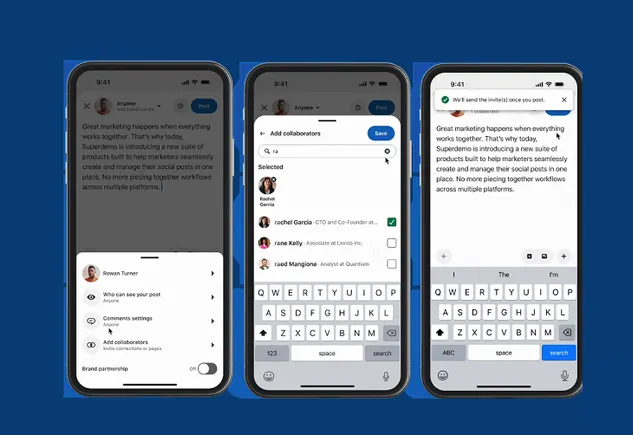
Sarah Crow I rarely do this type of post, especially for someone I don't know (yet) personally, but one of my favorite email subscriptions I made last year was to Kendall Dickieson's Substack, No Filter.
@andrewjfaris In theory, OF COURSE you should be optimizing for "Incremental Attribution."
Olivia Kory Discourse is one thing. Data is another. Tyler Horner and Emily K. Schwartz have been digging into 15 months of AppLovin incrementality tests across DTC and omnichannel brands spanning dozens of unique verticals. Here's what you need to know:
Here for the Memes
Top Headlines this Week

Best from LinkedIn

Meta picks a winner within 72H and is right 67% of the time
Why you should trust Meta & iterate FASTER
I went digging into how fast Meta actually decides which ad to back, and how often that early call sticks.
A lot of ad accounts, millions in spend, hundreds of batches of ad launches analyzed.
A launch is a batch of fresh ads dropped into one ad set on the same day.
Mostly lowest-cost bidding, a mix of CBO and ABO.
The average launch ran about 7 new ads, 4 of them real spenders.
Recommended SaaS & Services
What if your popup adapted to every site visitor? Alia is an AI powered popup that personalizes experiences in real time. It tests, learns, and adapts to show each visitor what’s most likely to convert, so you turn more traffic into subscribers and revenue. Stop wasting clicks. Start converting them. Start your free trial today.
Scaling paid media shouldn’t feel like gambling. Sum Digital helps 7–9-figure ecommerce brands turn ad spend into predictable, profitable growth across Meta, Google, and TikTok—without bloated teams or black-box reporting. Senior operators only, creative that actually converts, and a relentless focus on ROAS. If you’re done paying for spend instead of results, Sum Digital is your agency of record.
Stuck between an overpaid $80K/Year US hire and an inexperienced $5/Hour VA? Tidal helps you hire experienced, execution talent globally that outperforms US hires, at a fraction of the cost. Built by operators focused on hiring better talent, not just cheaper talent. Get started with a free payroll audit today --> www.hiretidal.com
Stat Attack

That is the week. The first Q4 checklist is already in someone's drafts. Ours will come eventually. And undoubtedly, long after everyone else suggests that it will even be of any use.
✌

👆👆👆
They’re reaching 7, 8 and 9 figure merchants.
Talk to us about sponsoring this newsletter.

